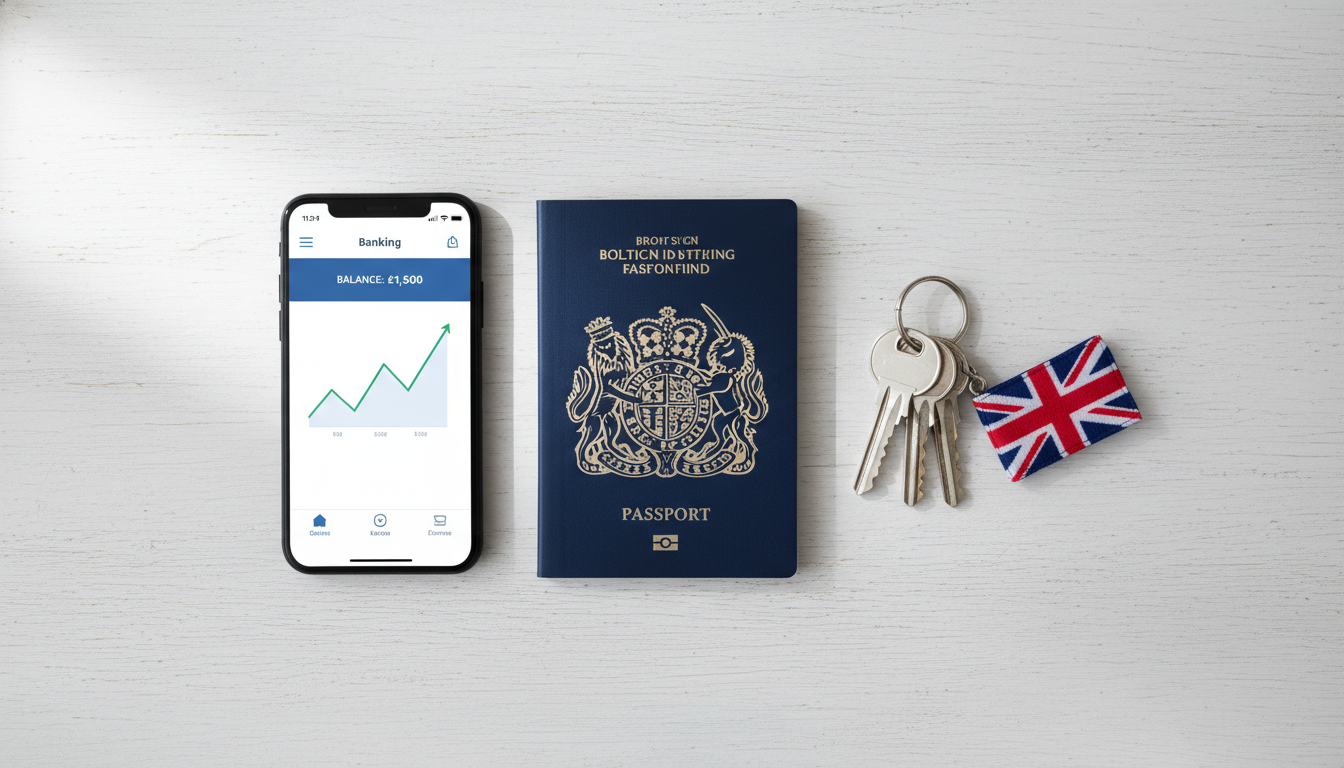
The British Banking Maze: Why Your Choice Matters Moving to the United Kingdom is a whirlwind of logistics, from finding a flat in Shoreditch to understanding the nuances of the local transport system. However, one of the most critical hurdles any international professional faces is securing a reliable financial anchor. The UK banking sector is a fascinating blend of centuries-old tradition and cutting-edge fintech innovation. Choosing the right account isn’t just about having a place to park your Pounds; it is about avoiding predatory exchange rates, navigating the infamous ‘proof of address’ trap, and building a credit profile in a new land.
## The High Street Legacy: Trust vs. Bureaucracy For many, the first instinct is to knock on the doors of the ‘Big Four’—HSBC, Barclays, Lloyds, and NatWest. These institutions offer a sense of permanence and a wide network of physical branches that can be comforting when you are miles away from home. HSBC Expat is often cited as a premier choice for high-net-worth individuals, providing a seamless transition if you already hold an account with them in your home country. These accounts allow you to manage multiple currencies and often come with a dedicated relationship manager. However, the ‘legacy’ comes with a price: the application process can be notoriously slow, often requiring a stack of physical documents and a UK residential address that most newcomers haven’t secured yet. ### The Challenger Wave: Speed and Digital Agility If the thought of waiting three weeks for a debit card makes you shudder, the digital ‘neobanks’ are your best allies. Monzo and Starling Bank have revolutionized the British banking experience by allowing users to open an account in minutes via a smartphone app. For an expat, this is a game-changer. These banks typically only require a passport or ID and a UK delivery address for the card, often bypassing the rigid proof-of-residency requirements that stymie traditional applications. Starling, in particular, stands out for its lack of fees when using your card abroad and its intuitive budgeting tools that help you track your spending in real-time.
### Beyond Just a Balance: Multicurrency and Transfers For the modern nomad who still has financial ties to their home country, Wise (formerly TransferWise) is often the most pragmatic choice. While not a bank in the traditional sense, their Multi-Currency Account provides local bank details for the UK, Eurozone, US, and Australia. This allows you to receive your salary in GBP while paying your mortgage back home without losing a fortune in hidden conversion spreads. It bridges the gap between a local account and an international transfer service, offering the mid-market exchange rate that traditional banks rarely provide to retail customers. ## Crucial Considerations: Fees, Credit, and Customer Service When weighing your options, do not just look at the shiny app interface. Consider the long-term implications of your choice. Does the bank help you build a UK credit score? Traditional banks and Starling report to credit agencies, which is vital if you ever plan to take out a car loan or a mortgage in Britain. Revolut, while excellent for currency exchange and features like stock trading, operates under an e-money license in the UK rather than a full banking license, which might influence where you choose to keep your primary savings. Always scrutinize the ‘hidden’ costs—some accounts charge monthly maintenance fees, while others charge for ATM withdrawals beyond a certain limit.
## The Verdict: Balancing Tradition with Innovation Ultimately, the ‘best’ account is the one that aligns with your specific trajectory. If you are arriving with a high-powered corporate relocation package, the prestige and global reach of HSBC might be worth the initial paperwork headache. For the independent professional or the tech-savvy millennial, a combination of Starling for daily spending and Wise for international transfers creates a powerhouse financial setup. The UK’s financial landscape is competitive and highly regulated, meaning that as an expat, you are in a position of power. Do not settle for the first bank that says ‘yes’; choose the one that facilitates your new life with the least amount of friction.